Why Commercial Door Hardware Installation Demands a Specialist, Not a Handyman
Commercial doors are fundamentally different from residential doors in load, frequency of use, and regulatory obligation. A mortise lock fitted to a hollow-core interior door at home will fail within months on a storefront that sees 200 push-pull cycles a day. Professional-grade locksmith commercial door work requires choosing hardware rated for the door's ANSI/BHMA grade, its material (hollow metal, aluminum storefront, solid wood, or fiberglass), and its fire-rating label — then installing it without voiding that rating. Our technicians carry calibrated tools and a curated stock of commercial-grade components so that a single mobile visit covers assessment, part selection, and installation. If your existing frame is misaligned or the door has settled — common in older Hopewell Junction buildings that were built in the mid-twentieth century and have shifted with the Hudson Valley's freeze-thaw cycles — we address the root cause rather than forcing new hardware into a bad fit.
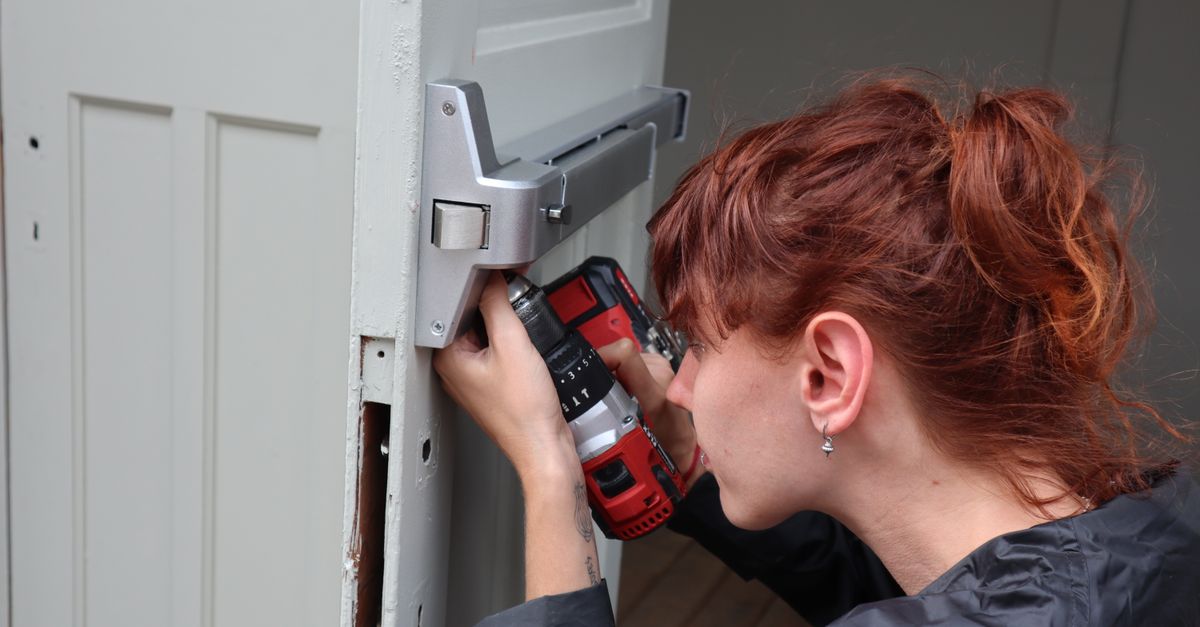
Beyond physical durability, there is a compliance dimension. Panic bars and exit devices on doors serving assembly occupancies, schools, and multi-tenant commercial spaces are often required by New York State fire code. Installing the wrong trim, disabling a dogging mechanism improperly, or substituting a residential knob set on a rated exit can create liability that far exceeds the cost of doing it right. Our team understands these distinctions and will flag any code conflict before touching your hardware.